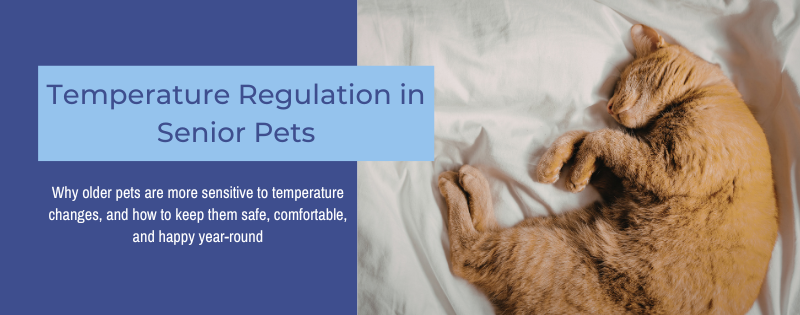
Older pets are more sensitive to temperature changes and knowing how to keep them safe and comfortable year-round is essential for pet owners.
As our pets age, their bodies undergo changes that affect how they handle the heat and cold. Senior pets are more sensitive to temperature fluctuations than younger animals, making them more vulnerable to discomfort, illness, or injury. Understanding these changes and taking proactive steps can ensure your older pet stays safe, comfortable, and happy throughout the year.
At Sunset Vets, we are experts in looking after senior patients and are dedicated to helping families care for their older pets, supporting their health, comfort, and quality of life as they age.
Why Temperature Regulation Changes in Senior Pets
As pets age, their bodies naturally become less effective at maintaining a stable temperature. Several changes contribute to this:
- Decreased metabolic rate: Older pets produce less internal heat, making them more susceptible to cold.
- Loss of insulation: Thinner body fat and muscle mass reduce warmth retention.
- Circulatory changes: Blood flow to extremities such as paws and ears may decrease, making them feel colder.
- Slower responses to temperature: Senior pets may not pant, shiver, or seek shade as quickly as younger animals.

In addition to these ageing changes, chronic health conditions can further affect how well older pets can control their temperature.
How Chronic Health Conditions Affect Temperature Regulation
- Heart disease: Reduces the efficiency of blood circulation. Healthy circulation distributes warmth evenly and allows pets to cool themselves through the skin and respiratory system. When circulation is compromised, senior pets may feel colder more easily and may struggle to cool down in warmer conditions.
- Kidney disease: Affects fluid balance, blood pressure, and metabolism. Pets with kidney disease may become dehydrated more easily, which reduces their ability to regulate heat through panting or evaporation. Muscle loss, weight loss, and lower energy reserves can make them feel cold more intensely.
- Thyroid disorders: Directly influence metabolic rate. An underactive thyroid (most commonly affecting dogs) lowers heat production, increasing sensitivity to cold, while an overactive thyroid (more common in cats) increases heat generation, raising the risk of overheating. Both conditions alter the body’s ability to respond appropriately to temperature changes.
- Arthritis: Causes joint pain and stiffness, which can limit movement and reduce a pet’s ability to generate warmth. Normally, shivering helps produce heat when a pet feels cold, but arthritis can make tensing muscles uncomfortable or painful, so this natural response may be less effective. Reduced mobility can also make it harder for pets to find a comfortable spot to stay warm, increasing sensitivity to lower temperatures.
Even mild weather changes can place extra strain on an aging body when chronic illness is present, which is why senior pets with health conditions often need closer monitoring and environmental adjustments.
Signs Your Senior Pet May Be Too Hot or Too Cold
Recognising early warning signs is essential, as both heatstroke and hypothermia can become life-threatening quickly in older pets.
Overheating:
- Excessive panting or drooling
- Lethargy or weakness
- Reddened gums or skin
- Vomiting, diarrhea, or unsteady gait
Feeling too Cold:
- Shivering or trembling
- Curling tightly to conserve warmth
- Reduced activity or reluctance to move
If you notice any of these signs, take immediate steps to adjust your pet’s environment and contact your veterinarian if symptoms persist.
Practical Tips for Keeping Senior Pets Comfortable
Simple adjustments in daily routines and home environment can help senior pets stay comfortable year-round.
For Heat:
- Provide plenty of fresh water and shaded areas, especially outdoors.
- Avoid strenuous activity during the hottest parts of the day.
- Use cooling mats, fans, or air conditioning indoors if needed.
- Never leave pets in a parked car or confined, unventilated spaces.
For Cold:
- Offer warm, padded bedding away from drafts.
- Use pet-safe heating pads or blankets when necessary.
- Dress smaller or short-haired pets in soft sweaters or coats for added warmth.
- Limit exposure to cold or wet conditions, particularly if arthritis or mobility issues are present.
Supporting Comfort and Quality of Life
Small, consistent adjustments can make a big difference in keeping senior pets comfortable. Providing the right environment, monitoring health changes, and responding promptly to signs of temperature stress can help your pet enjoy their golden years safely and happily.
At Sunset Vets, we are committed to supporting families in caring for senior pets. If you have concerns about your pet’s temperature regulation, or any other aspect of aging, we are here to provide guidance, advice, and tailored care.
💙 For more information on senior pet care, visit sunsetvets.com.au